
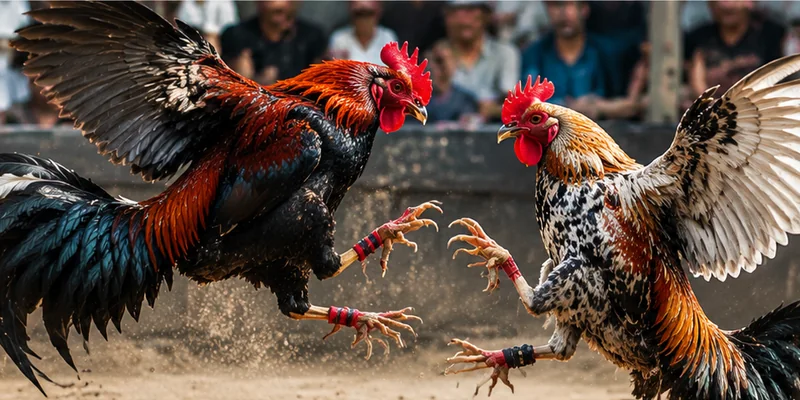
Today’s Cockfighting pro dee 168 is a search phrase associated with readers looking for cockfighting event information, traditional match formats, rooster profiles, and published results. Understanding these topics requires distinguishing scheduled events from confirmed reports and promotional claims from factual details. This guide explains how to interpret event updates, assess online information, understand historical context, and approach this subject with attention to animal welfare, personal security, and local legal requirements.
Understanding Today’s Cockfighting pro dee 168
Today’s Cockfighting pro dee 168 can be explored through several information categories, including event announcements, venue descriptions, historical background, and post-event summaries. Knowing the purpose of each category helps readers evaluate whether a page provides useful information or simply repeats unsupported claims.
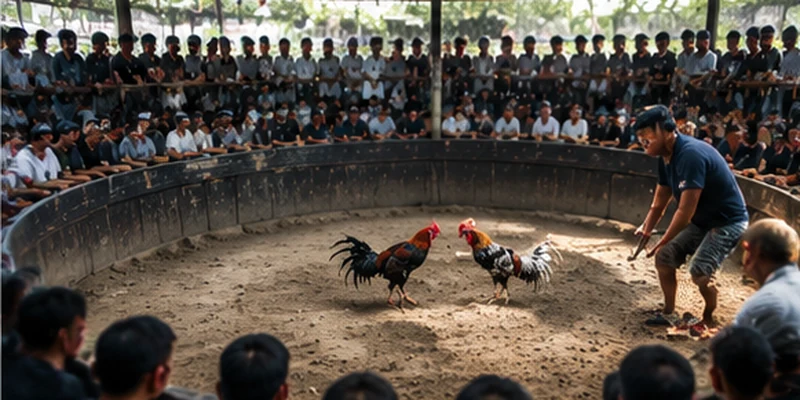
Event Schedules and Announcements
An event schedule typically contains an announced date, expected starting time, location, and available information about participants. These details provide an initial overview, but a schedule alone cannot confirm that an event is proceeding as planned.
Changes may occur because of venue arrangements, weather, local regulations, or organizational decisions. Readers should check the publication date, time zone, and subsequent announcements before treating a schedule as current. If a page does not identify its information source, its claims should be considered incomplete.
When reviewing Today’s Cockfighting pro dee 168, distinguish between an upcoming event, an ongoing broadcast, and a completed match. These categories describe different stages and should not be treated as interchangeable. Clear labels and timestamps make reports easier to understand.
Traditional Formats and Regional Differences
Cockfighting traditions differ across regions in terminology, animal breeds, event organization, and historical significance. A description of one regional practice may not accurately represent another, so useful educational material should explain its geographical and cultural context.
Traditional practices can be studied through historical accounts, interviews, and cultural documentation without assuming that every community follows the same customs. It is also important to recognize that animal fighting can cause severe injuries and raises substantial animal-welfare concerns. Many jurisdictions prohibit or restrict these activities.
Assessing the Quality of Event Coverage
Reliable reporting should separate confirmed details from commentary and speculation. Readers can evaluate a page by checking its timestamps, named sources, consistency, and willingness to correct outdated information.
A dramatic headline does not establish accuracy. Claims about guaranteed outcomes, secret information, or certainty about a future contest should be treated cautiously. When several pages repeat the same statement, that repetition does not necessarily mean the claim has been independently verified.
Rooster Profiles, Match Reports, and Historical Records
Event coverage often combines animal descriptions, historical information, and reported outcomes. Each element has a different purpose. Understanding those distinctions helps readers avoid interpreting descriptive details as proof of future performance.
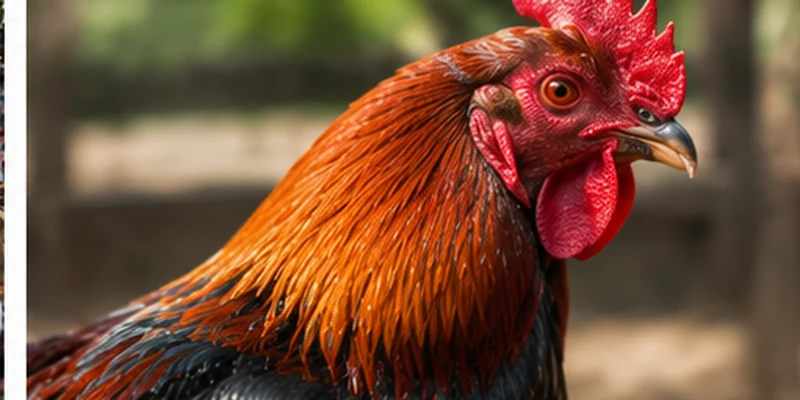
Understanding Rooster Profiles
A profile may describe a rooster’s breed, age, plumage, size, and husbandry background. Such information can help identify an animal or explain its place within a regional tradition, but physical appearance alone cannot predict the outcome of a contest.
Responsible descriptions should avoid presenting aggression as a desirable characteristic or treating an animal as unbeatable. Individual animals vary, and their condition can change over time. Animal welfare, suitable living conditions, veterinary attention, and injury prevention deserve greater emphasis than claims about fighting ability.
Reading Results and Historical Information
Match reports may identify an event date, location, participants, and reported outcome. Historical records can help readers understand how an event was documented, but archives may contain missing entries, inconsistent names, or conflicting timestamps.
Readers researching Today’s Cockfighting pro dee 168 should check whether a report is preliminary, final, corrected, or historical. Comparing publication dates and event identifiers can help identify discrepancies. If sources disagree, it is better to acknowledge the inconsistency than to select an account simply because it appears first in search results.
Previous results also do not guarantee future outcomes. A historical record describes an earlier event; it cannot eliminate uncertainty about what might happen later.
Interpreting Claims and Commentary
Commentary may include opinions about participants, descriptions of event conditions, or speculation about possible outcomes. These statements should be distinguished from information supported by identifiable evidence.
The same standard applies when examining MM99 or any other named service. Readers should assess the source, context, and evidence behind a statement instead of assuming that promotional language establishes credibility. Branding, presentation quality, and confident wording are not substitutes for independent verification.
A balanced report should avoid sensationalism and acknowledge animal-welfare implications. Graphic descriptions and celebratory portrayals of animal injuries can obscure the real consequences of organized fighting.
Online Information, Security, and Responsible Research
Online pages may combine articles, photographs, video material, commentary, and promotional links. Before using a website, readers should consider the quality of its information, the security of its pages, and the laws that apply to its activities.
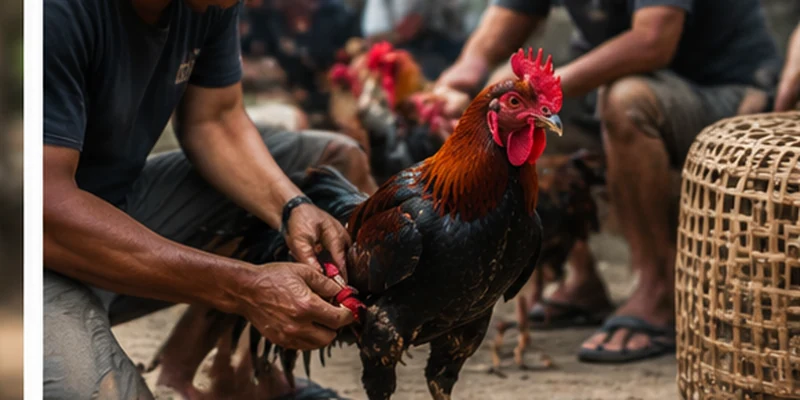
Checking Websites and Published Updates
When evaluating Today’s Cockfighting pro dee 168, examine the website’s identity, publication dates, contact details, privacy policy, and corrections process where available. A professional design does not automatically establish that a website is trustworthy.
Be cautious about unexpected downloads, unfamiliar payment requests, excessive permission requests, and redirects through unrelated domains. Avoid submitting passwords, identity documents, or payment details until you understand who operates the service and how personal information may be handled.
Understanding Legal and Financial Risks
Rules concerning animal fighting, online broadcasts, and related gambling activities vary by jurisdiction. The presence of an event or service online does not establish that accessing it, organizing it, or placing a wager is lawful in every location.
If a website promotes betting, remember that no outcome is guaranteed. Avoid claims of risk-free returns, guaranteed profits, or privileged information. Do not share financial credentials with unverified services or risk money needed for essential expenses.
Readers assessing MM99 should apply the same standards of transparency, legal compliance, and information quality used for other online services. A brand name alone does not prove licensing, security, or independent oversight.
Making Informed Reading Decisions
A practical evaluation checklist includes identifying the source, checking publication dates, distinguishing reporting from opinion, and considering animal-welfare consequences. These steps provide a more reliable foundation than dramatic headlines or unsupported predictions.
Today’s Cockfighting pro dee 168 can be approached as a topic involving event reporting, regional traditions, and online information quality. Readers should remain aware that published claims may be incomplete and that animal fighting carries serious welfare concerns.
For those interested in rooster-related subjects without supporting animal harm, alternatives include poultry husbandry, breed education, wildlife photography, and cultural documentaries. These activities can provide insight into animal characteristics and regional history without encouraging fighting.
Conclusion
Today’s Cockfighting pro dee 168 is best examined through careful evaluation of event schedules, profiles, historical records, and published updates. Checking sources, dates, website security, local laws, and animal-welfare considerations helps readers make informed decisions. Neither promotional claims nor historical results guarantee future outcomes, and responsible research should prioritize factual accuracy, personal security, legal compliance, and respect for animals.