Pro Dee 168 Lottery – Online Lottery Tracking
Pro Dee 168 Lottery can be explored through a system of lottery games featuring draw schedules, winning numbers, prize tiers, and information for individual draws. The lottery lobby organizes games, draw times, and result statuses, making information easier to review. In addition to number selection, elements such as Draw ID, result boards, prize structures, and historical results also play important roles. However, past data only reflects completed draws and cannot guarantee or determine which numbers will appear in the next draw.
Exploring The Lottery System At Pro Dee 168
Pro Dee 168 Lottery organizes information by lottery lobby, game, and individual draw. This structure allows users to follow events from upcoming draws to completed draws while reducing confusion when one game has multiple drawing sessions.
What Does Pro Dee 168 Lottery Include?
Online lottery platforms commonly include draw games, number games, and different number-selection formats governed by specific rules. Each game may use a different number range, draw frequency, prize structure, and matching requirements.
The lottery lobby serves as the central navigation area. From here, users can check upcoming draws, draw times, winning numbers, or historical results from previous sessions.
A typical navigation flow is:
Lottery Lobby → Lottery Game → Draw → Results → Prize Structure
When exploring Pro Dee 168 Lottery, identifying the correct game and Draw ID is an important step before checking results.
How Are Draw Schedules Organized?

The draw schedule shows the expected timing of each drawing session. Common information includes the draw date, draw time, Draw ID, draw status, and cut-off time when a game has a participation deadline.
The process can be represented as:
Game → Draw Schedule → Draw ID → Draw Time → Draw Status
An upcoming draw refers to a drawing that has not yet taken place, while a completed draw indicates that results are already available. For lottery games with multiple drawings per day, the Draw ID provides a more precise way to distinguish individual sessions than the date alone.
Users of Pro Dee 168 Lottery should also check the displayed time zone when a draw schedule is associated with another market or region.
How Are Lottery Results Displayed?
Lottery results are generally displayed on a result board containing winning numbers and information identifying the relevant draw. Depending on the game, the board may also include bonus numbers or multiple prize tiers.
| Information | Function |
|---|---|
| Draw ID | Identifies the draw |
| Draw Time | Shows when the draw takes place |
| Winning Numbers | Displays the result |
| Prize Tier | Indicates the prize level |
| Draw Status | Shows the current draw status |
When checking results, users should verify the game, Draw ID, and draw date together. Looking only at a set of winning numbers may cause confusion between different draws.
Lottery Game Formats At Pro Dee 168 Lottery
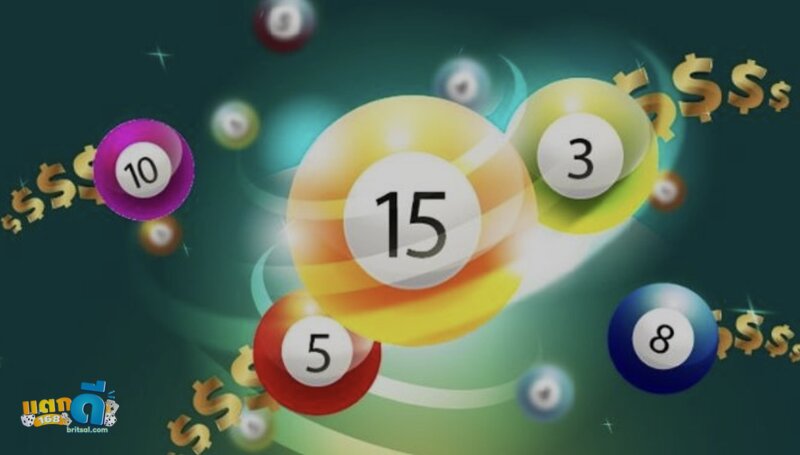
Pro Dee 168 Lottery may use different number-selection methods and prize structures. Understanding selection rules, matching conditions, and prize tiers makes game information easier to interpret.
Number Selection And How It Works
Number selection is the process of creating a combination within the number range defined by a game. Some lottery games allow manual selection, while Quick Pick generates a combination automatically.
A basic process is:
Choose Game → Select Numbers → Confirm Combination → Draw Entry → Wait For Draw
The number of selections required and the available number range depend on the rules of each game. A valid combination in one lottery game may therefore not satisfy the requirements of another.
If a lottery draw uses an independent random process, manual selection and Quick Pick do not automatically provide different probabilities simply because the selection methods differ.
How Do Prize Structures And Prize Tiers Work?
The prize structure defines the conditions required for an entry to qualify for a particular prize tier. A game may include a jackpot, main prize, and several secondary prizes based on how many winning numbers are matched.
The process can be represented as:
Selected Numbers → Draw → Winning Numbers → Match Condition → Prize Tier
Some prizes may have fixed values, while others can depend on the prize pool or the number of qualifying entries. A larger jackpot does not automatically mean that the probability of winning is higher.
When reviewing Pro Dee 168 Lottery, users should examine matching requirements and prize conditions rather than focusing only on the largest advertised prize.
How Do Draw Games Differ From Number Games?
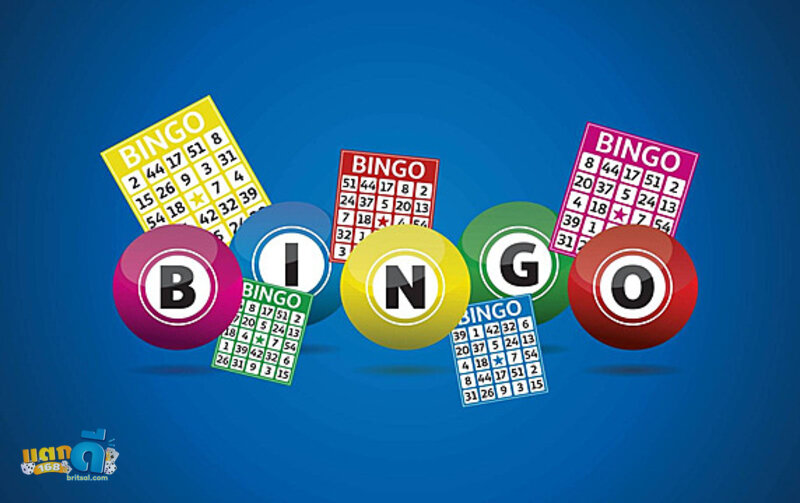
Draw games are generally linked to a scheduled drawing. Users select a combination beforehand and then wait for the winning numbers to be determined during the draw.
Number games are a broader category, and their mechanics may vary between products. Game rules determine how numbers are used and how results are established.
| Feature | Draw Games | Number Games |
|---|---|---|
| Timing | Scheduled draws | Depends on game mechanics |
| Results | Draw-based | Number-based |
| Conditions | Matching rules | Game-specific rules |
| Prizes | Prize tiers | Varies by game |
The game format should therefore be identified before interpreting results or prize structures.
How To Follow Pro Dee 168 Lottery Systematically
Following Pro Dee 168 Lottery systematically involves checking the result board, Draw ID, and prize tiers rather than focusing only on winning numbers. Historical data can provide statistical context, but it should not be treated as a guaranteed prediction tool.
How To Read Result Boards And Winning Numbers
Once a draw has been completed, results can be checked in the following order:
Correct Game → Draw ID → Draw Date → Winning Numbers → Prize Tier
Main numbers should be distinguished from bonus numbers when a game uses both. A bonus number may apply only to certain prize tiers and may not have the same role as the main numbers.
Users should also check the result status to confirm that the information is final rather than relying on temporary or incomplete data.
What Do Historical Results And Number Frequency Mean?
Historical results provide a record of winning numbers from previous draws. Draw history can be used to calculate number frequency or observe which numbers have appeared more or less often during a particular period.
| Data | What It Shows | What It Cannot Guarantee |
|---|---|---|
| Draw History | Previous results | The next result |
| Number Frequency | Historical frequency | Which number comes next |
| Hot Numbers | More frequent numbers | Continued appearances |
| Cold Numbers | Less frequent numbers | That they are “due” |
If individual draws are independent, a cold number does not become more likely simply because it has not appeared for a long time. Similarly, hot numbers are not guaranteed to continue appearing.
Principles For Participating In Online Lottery Games
Budget management should begin with a specific ticket budget and spending limit. Users should avoid increasing the number of entries simply to recover spending from previous draws or treating lottery participation as a reliable source of income.
If Pro Dee 168 Lottery involves real-money participation, account and payment security should also receive attention. Passwords and verification codes should remain private, while prize-claim procedures, withdrawal conditions, and operator information should be reviewed carefully.
Historical results and frequency statistics cannot remove the randomness associated with lottery games. Users should also check applicable local regulations and age requirements before participating with pro dee 168.
Conclusion:
Pro Dee 168 Lottery can be understood through its lottery lobby, draw schedules, winning numbers, and prize structures. Draw IDs help identify the correct drawing session, while result boards make it easier to compare numbers with prize tiers. Historical results and number frequency provide useful reference data but cannot guarantee future outcomes. When lottery games involve real money, budget management, participation limits, account security, and compliance with local regulations should remain important priorities.